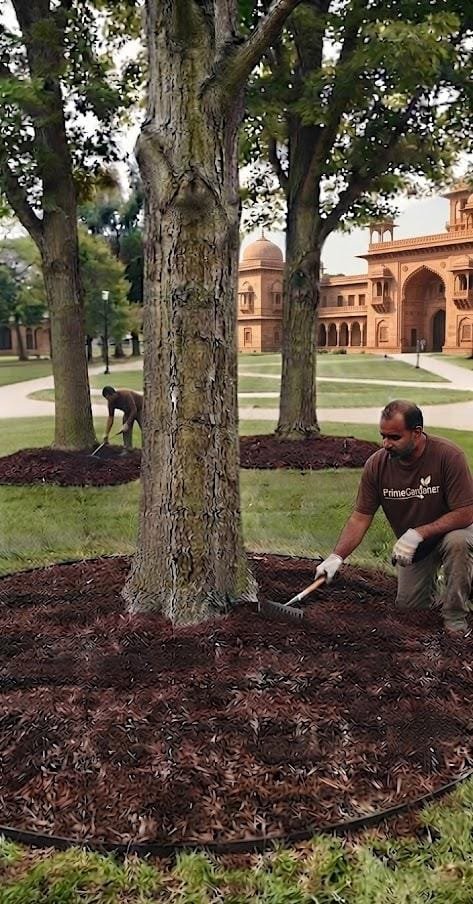
At PrimeGardener, exceptional landscapes begin long before the first plant is placed. Every successful project is built upon scientific research, environmental understanding, and decades of practical field experience.
Modern landscaping is far more than arranging beautiful plants. It requires an in-depth understanding of soil biology, climate behavior, irrigation engineering, plant physiology, and sustainable construction practices.
Our dedicated Research & Development initiative bridges the gap between academic horticulture and real-world landscape execution. Through continuous experimentation, monitoring, and innovation, we create landscapes that remain healthy, resilient, low-maintenance, and environmentally responsible.
“ Every thriving landscape begins with understanding the science beneath it.
Our research combines horticulture, engineering, environmental sustainability, and field validation to build landscapes that flourish naturally and perform efficiently over time.
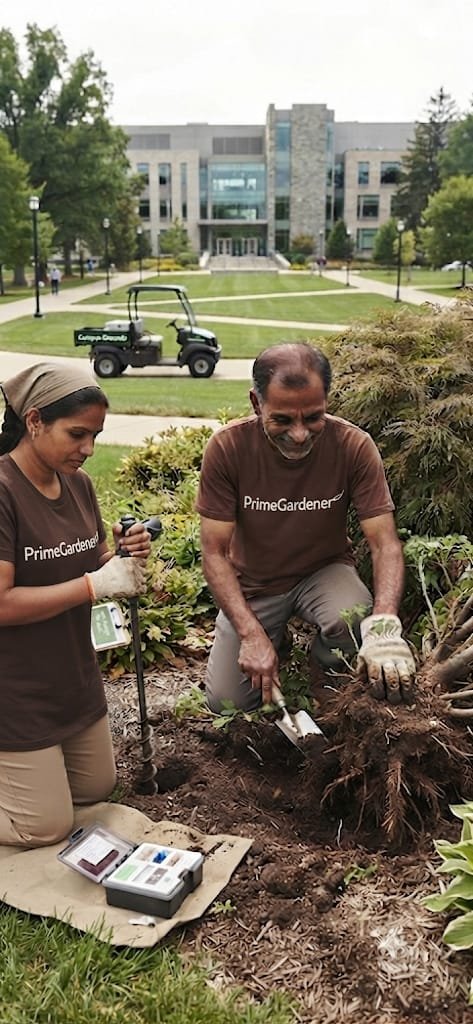
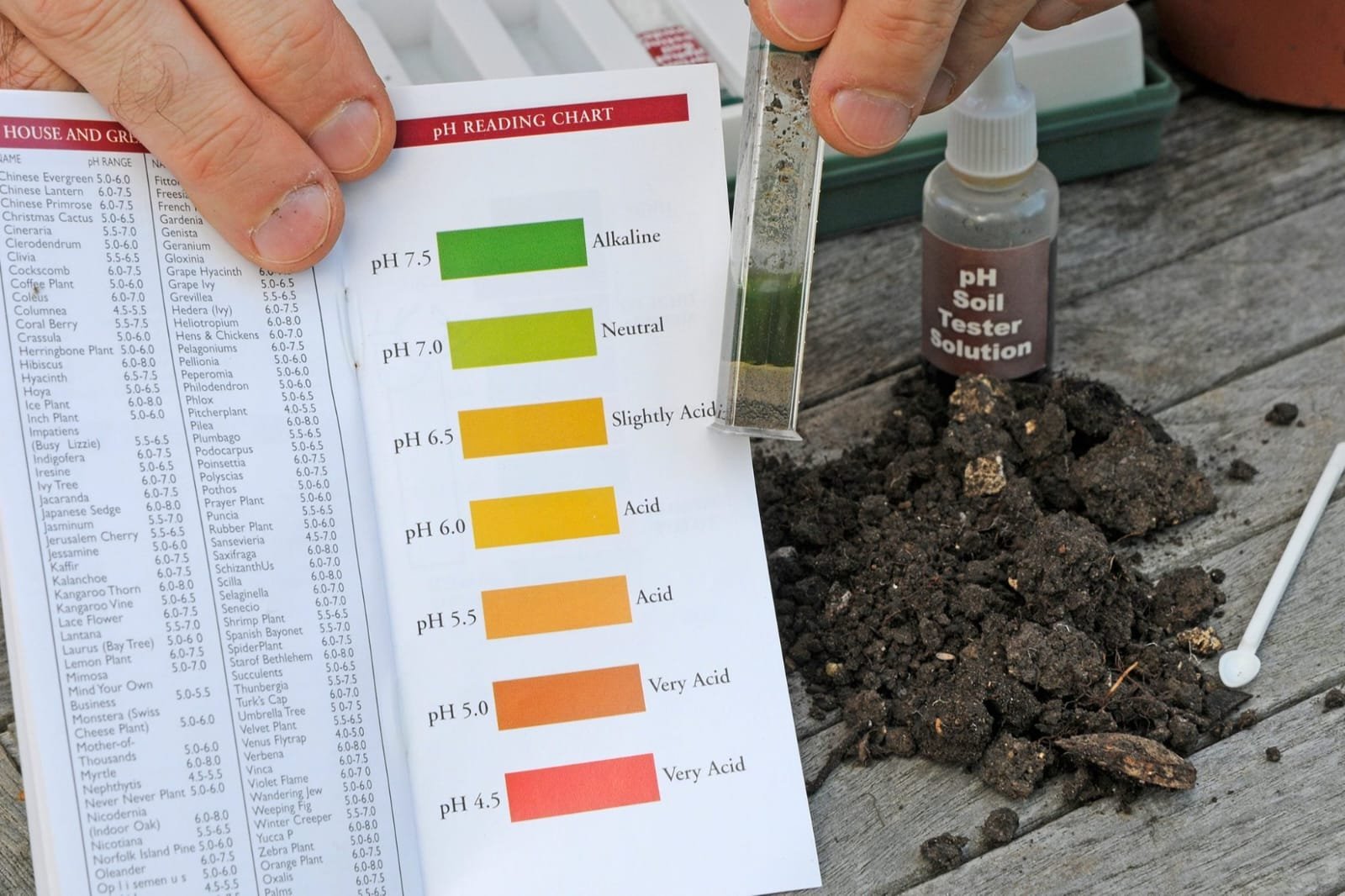
Standardized landscaping often fails because it ignores underlying soil conditions. Our field research demonstrates that many institutional sites suffer from severe soil compaction, depleted organic matter, and complex nutrient deficiencies.
Instead of relying on generic fertilizers, our R&D protocol designs bespoke soil conditioning programs utilizing organic manures, targeted aeration, and biological amendments to restore natural soil respiration and nutrient-holding capacity.
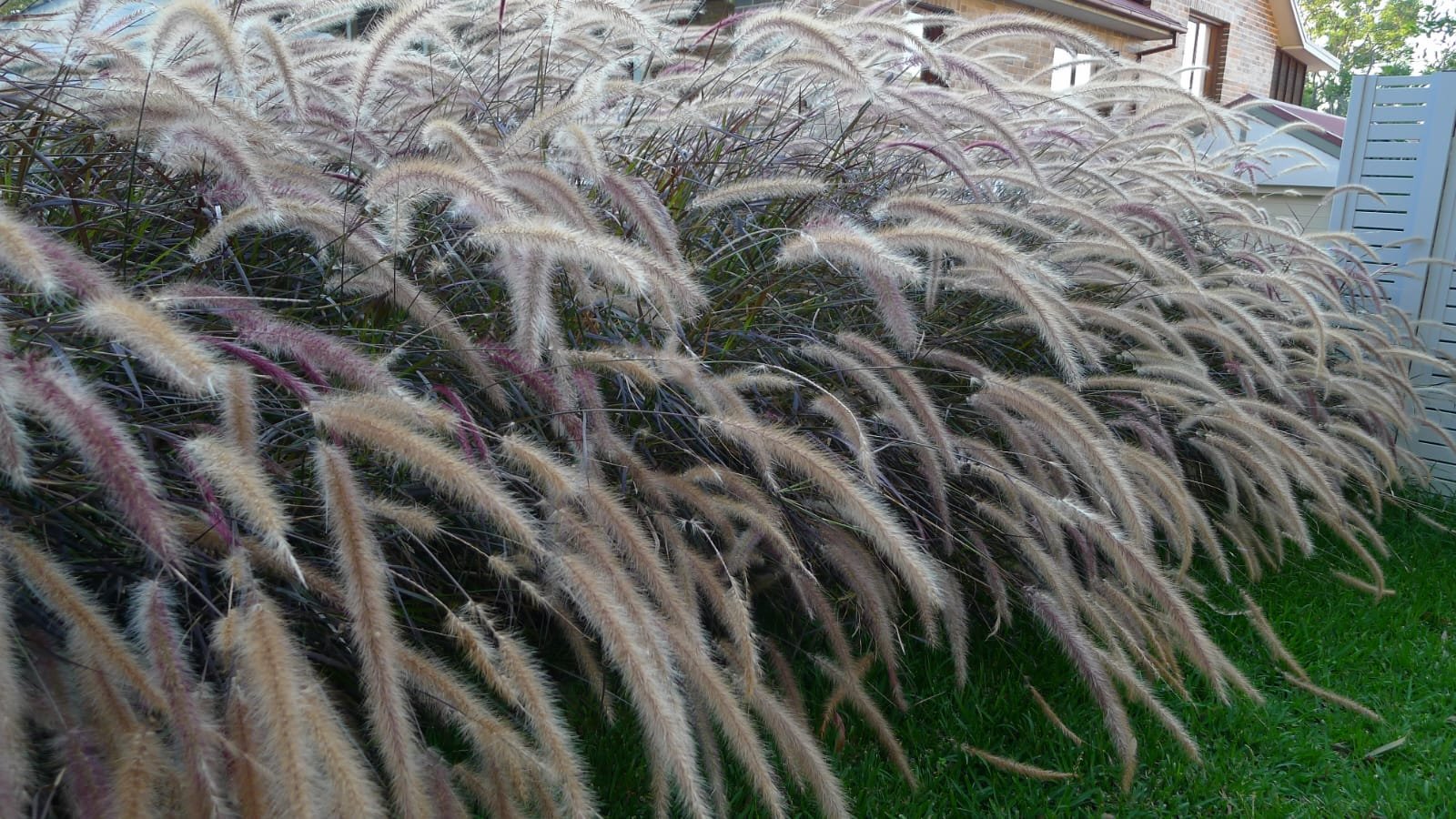
Microclimates demand rigorous botanical testing to ensure long-term survival. We continuously evaluate how native and adaptive exotic species respond to severe seasonal shifts, water scarcity, and high thermal stress.
Water conservation is a cornerstone of sustainable landscape management. Inefficient watering practices often lead to either root suffocation or severe drought stress, while simultaneously wasting valuable resources.
By matching irrigation delivery rates precisely to root zone absorption capacities, we eliminate runoff, prevent soil erosion, and guarantee optimal hydration across expansive lawns and slope mounts.
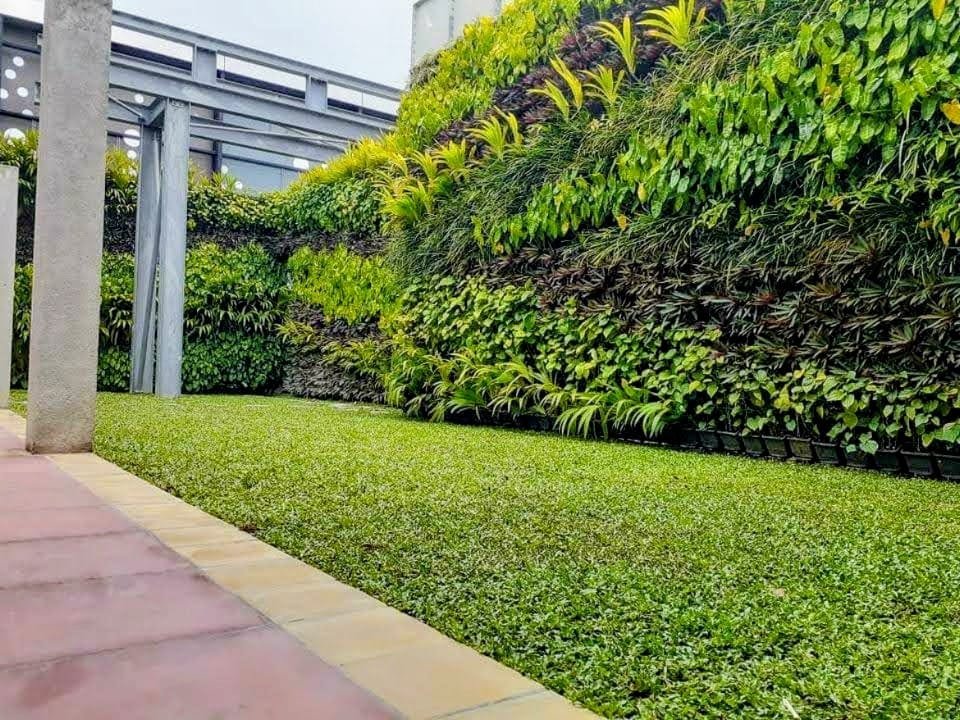
Integrating living elements into rigid architectural frameworks requires meticulous structural research. Whether dealing with 18-foot spatial spans, vertical green walls, or rhythmic container and pot arrangements on elevated terraces, load and wind resistance are critical factors.
Thermodynamics to ensure that structural landscaping elements remain safe, aesthetically striking, and biologically sustainable over decades.
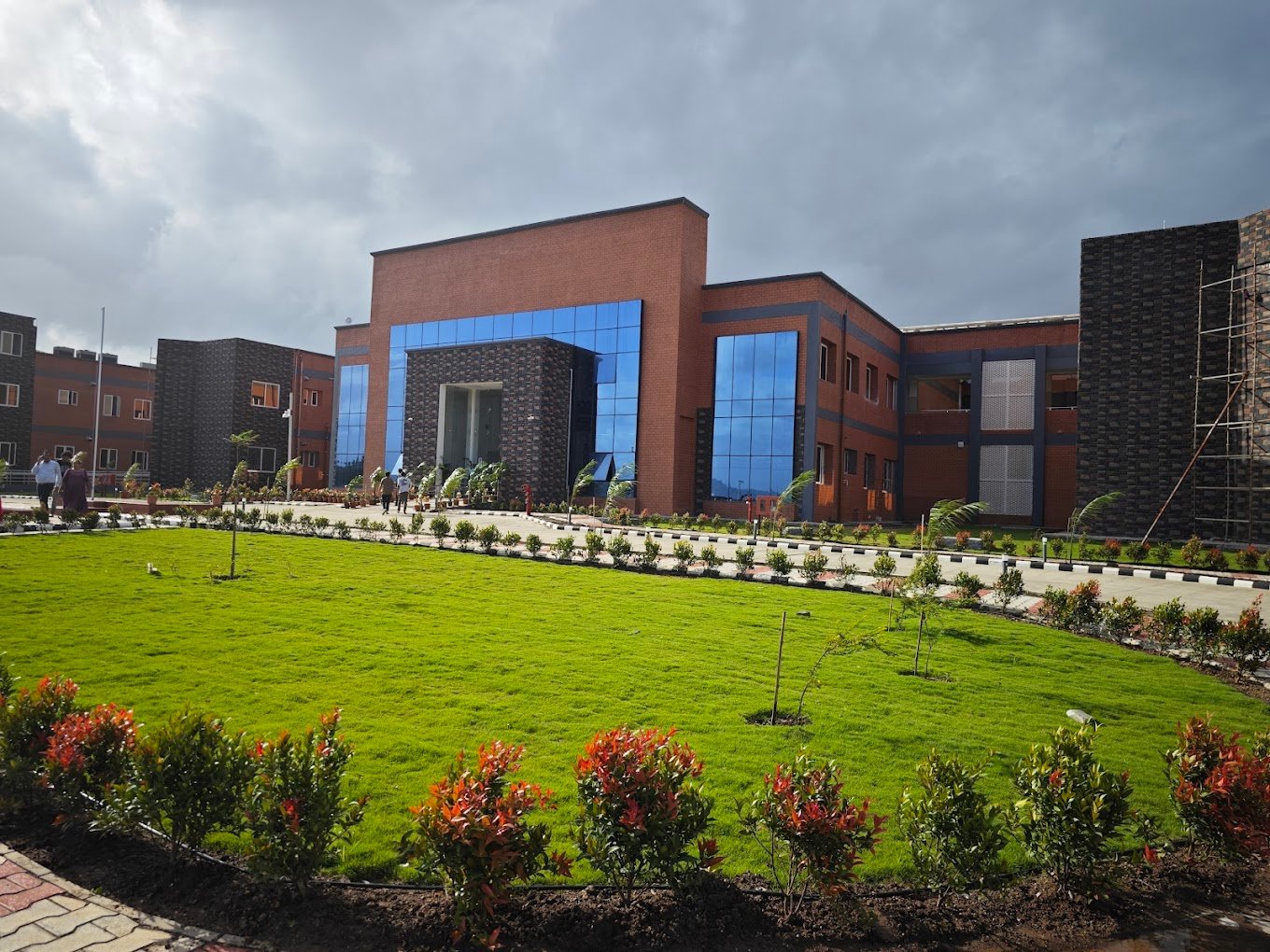
Our research is never confined to theoretical laboratories; it is forged and validated in the real world through comprehensive institutional site audits.The Methodology: By conducting regular, hands-on landscape maintenance audits on large-scale campuses (such as our work at expansive institutional estates in Paud), we continuously monitor vegetation health, root vitality, and manpower execution efficiency.
The Impact: Data gathered directly from these live site visits informs our broader R&D pipeline. When we identify recurring issues—such as improper trimming techniques, weed control gaps, or localized water supply bottlenecks—we immediately convert these findings into updated operational protocols and staff training modules, ensuring every project continuously improves.
True sustainability means closing the loop on site waste and eliminating synthetic chemical reliance.
By converting campus organic waste back into rich soil amendments, we reduce external input costs while fostering a self-sustaining ecological loop.
Every landscape decision is supported by horticultural science, engineering, and practical field knowledge.
Every technique is validated through real projects before becoming part of our landscape practices.
Eco-friendly solutions that reduce water consumption, improve soil, and minimize waste.
Landscapes designed to withstand changing climates while remaining beautiful for decades.
Our Research & Development team combines horticultural science, sustainable engineering, and decades of practical experience to create landscapes that flourish naturally.